Born in Quilmes, a suburb of Buenos Aires where the city meets the river in name and memory, Mauro Maiani (b. 1981) has long explored the intersection of image, atmosphere, and memory. Trained as an Art Director and shaped by years in the advertising world, Maiani's photographic practice unfolds as a quiet resistance—a return to imperfection, fragility, and slow observation. His analog photographs, often void of human presence, inhabit a suspended state between memory and dream, grounded in reality yet drifting toward the poetic.
Featured Artist
Mauro Maiani
Argentina
mauromaiani.com | IG: mauromaiani
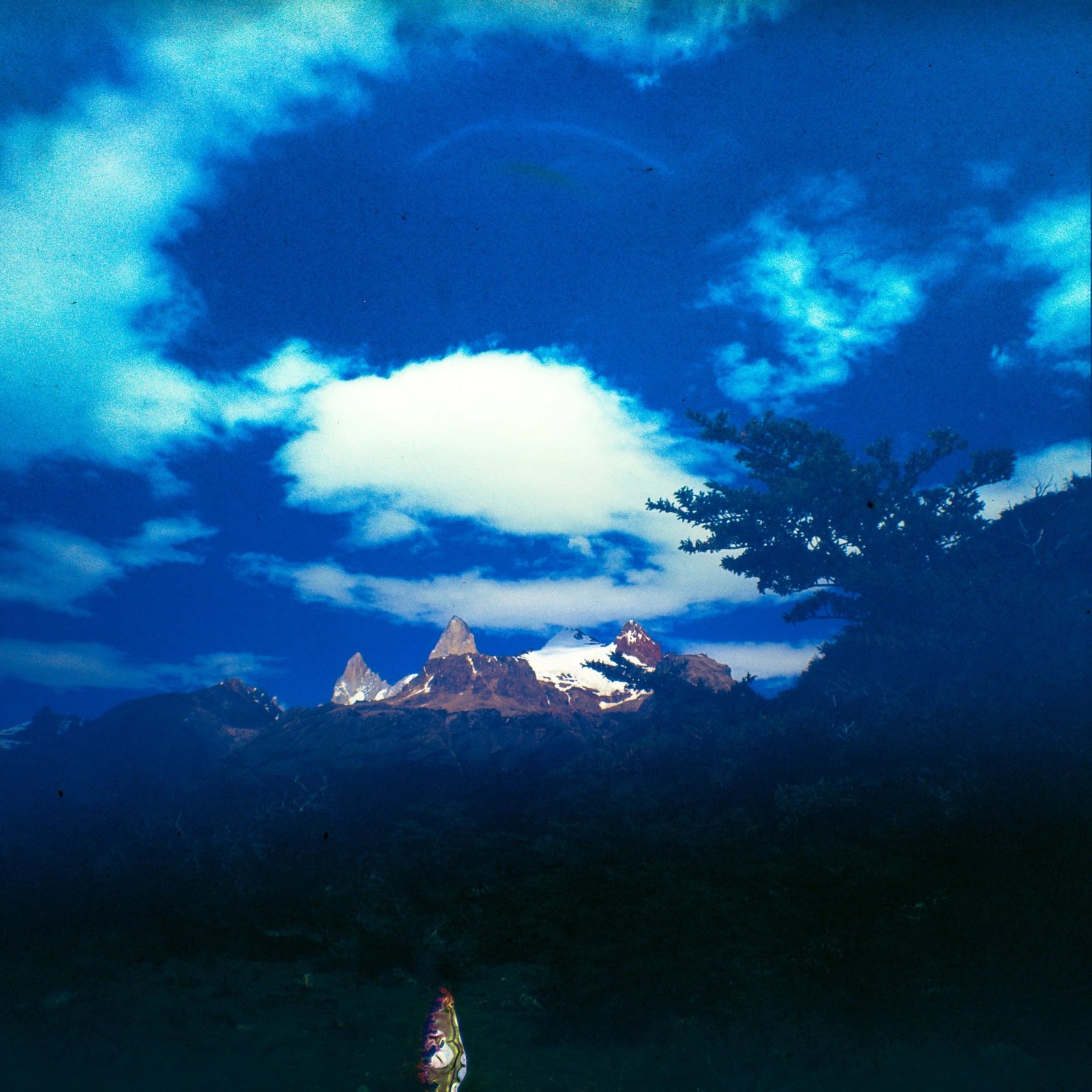
From the series Patagonia Rota, 2021–2024. © Mauro Maiani
Photography, for Maiani, is less about documenting reality and more about questioning its surface. He is not seeking definitive answers but emotional truths: "I'm less interested in documenting places than capturing mental states, atmospheres, emotional temperatures." A mountain, in his work, may be a question without an answer, a memory not yet resolved, or a metaphor waiting to be deciphered.
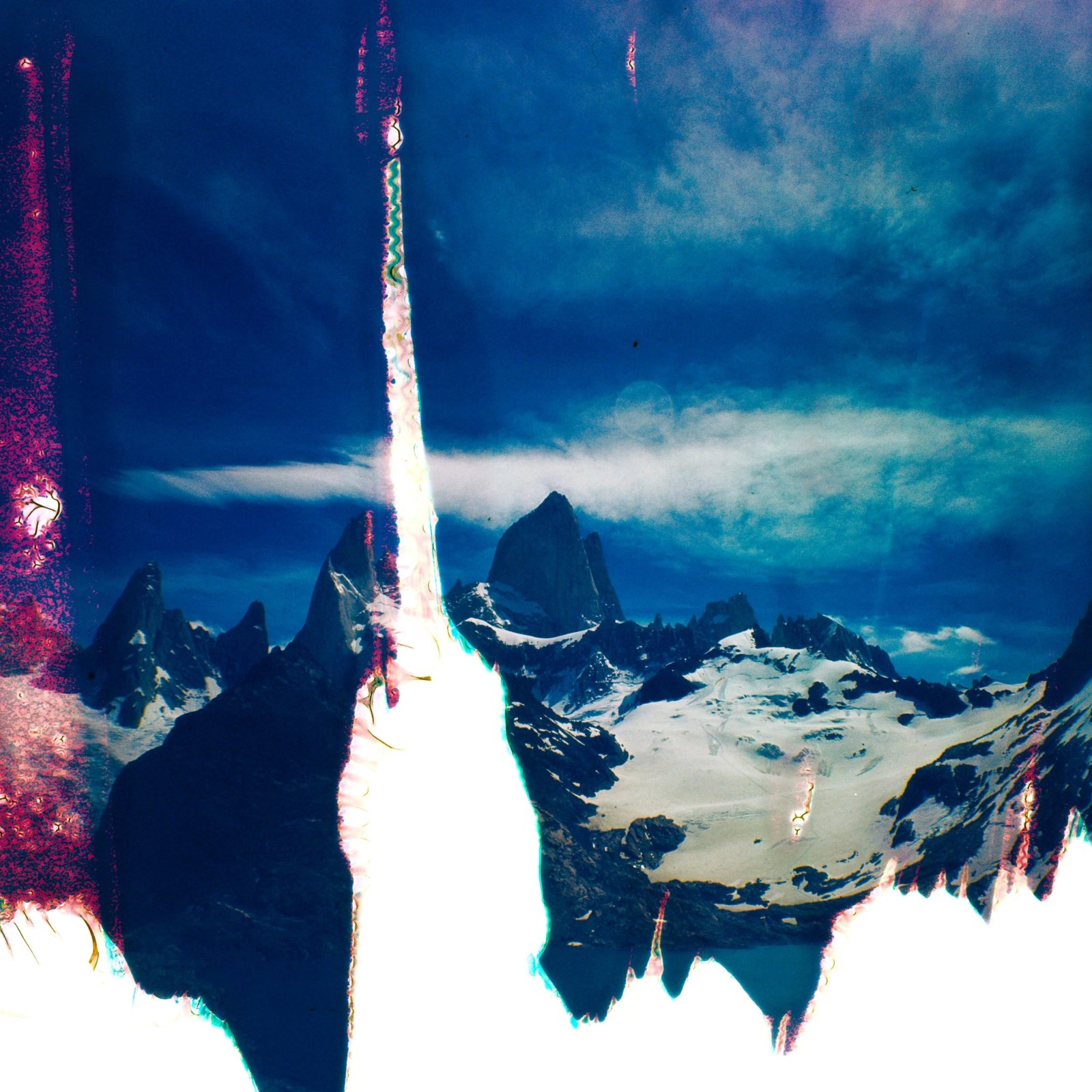
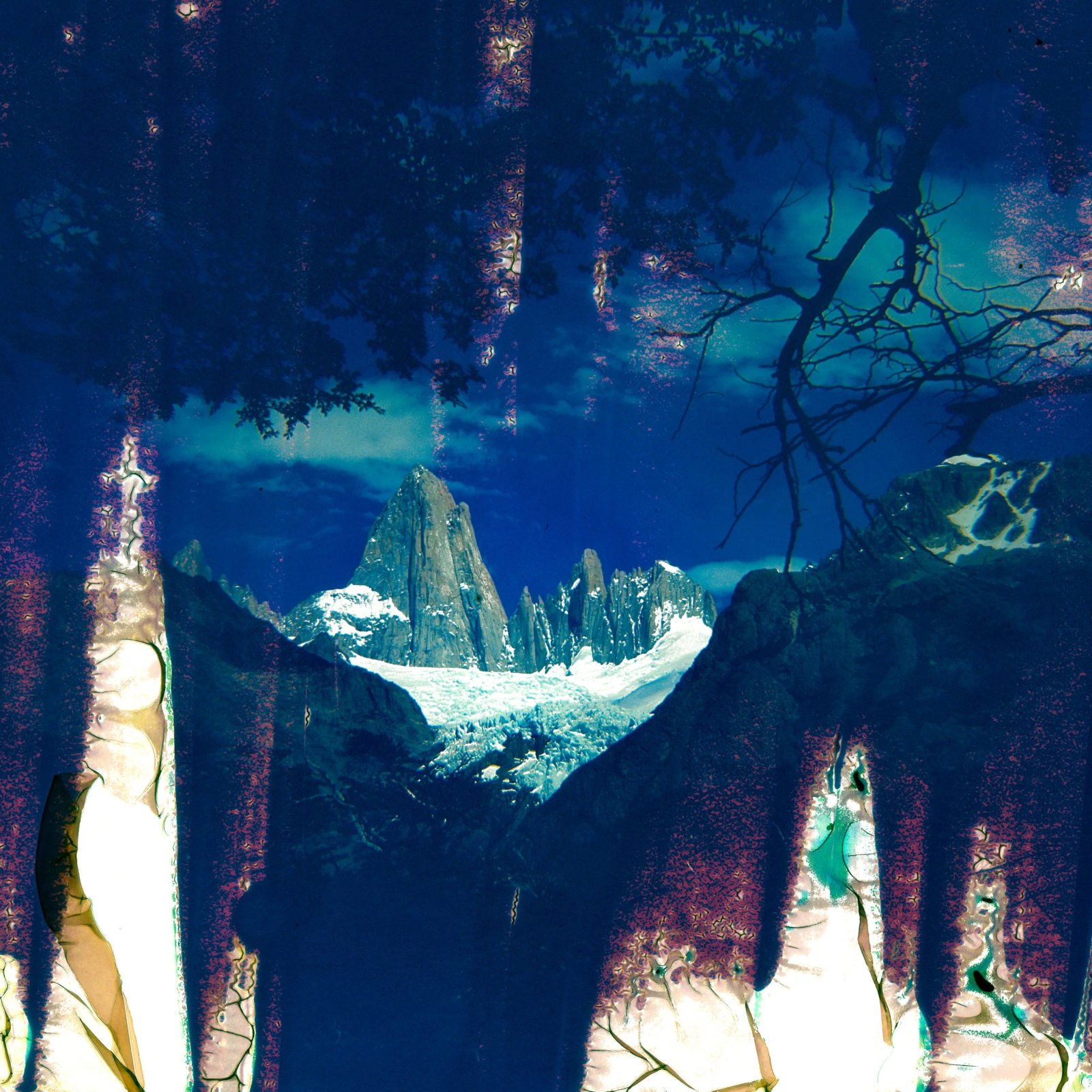
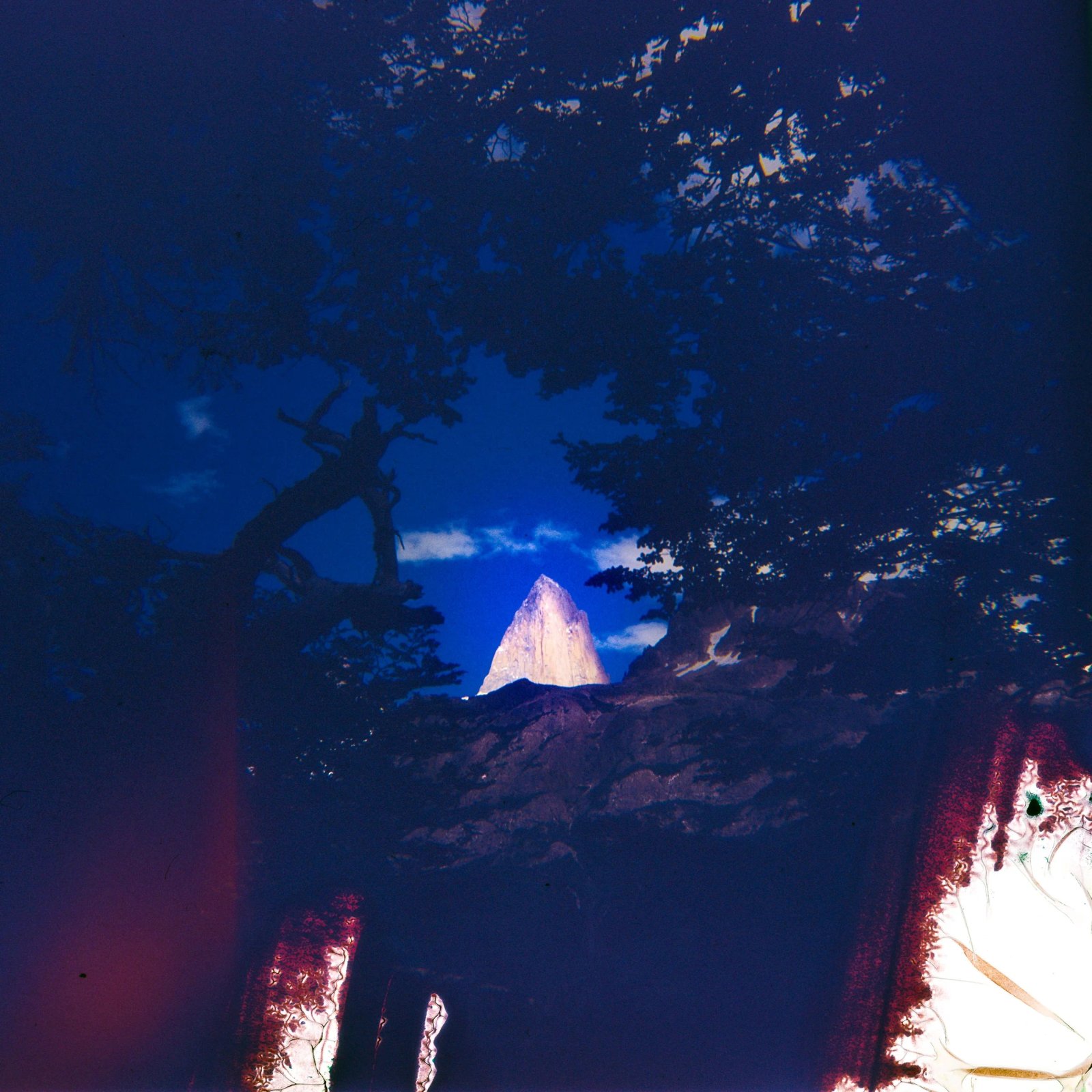
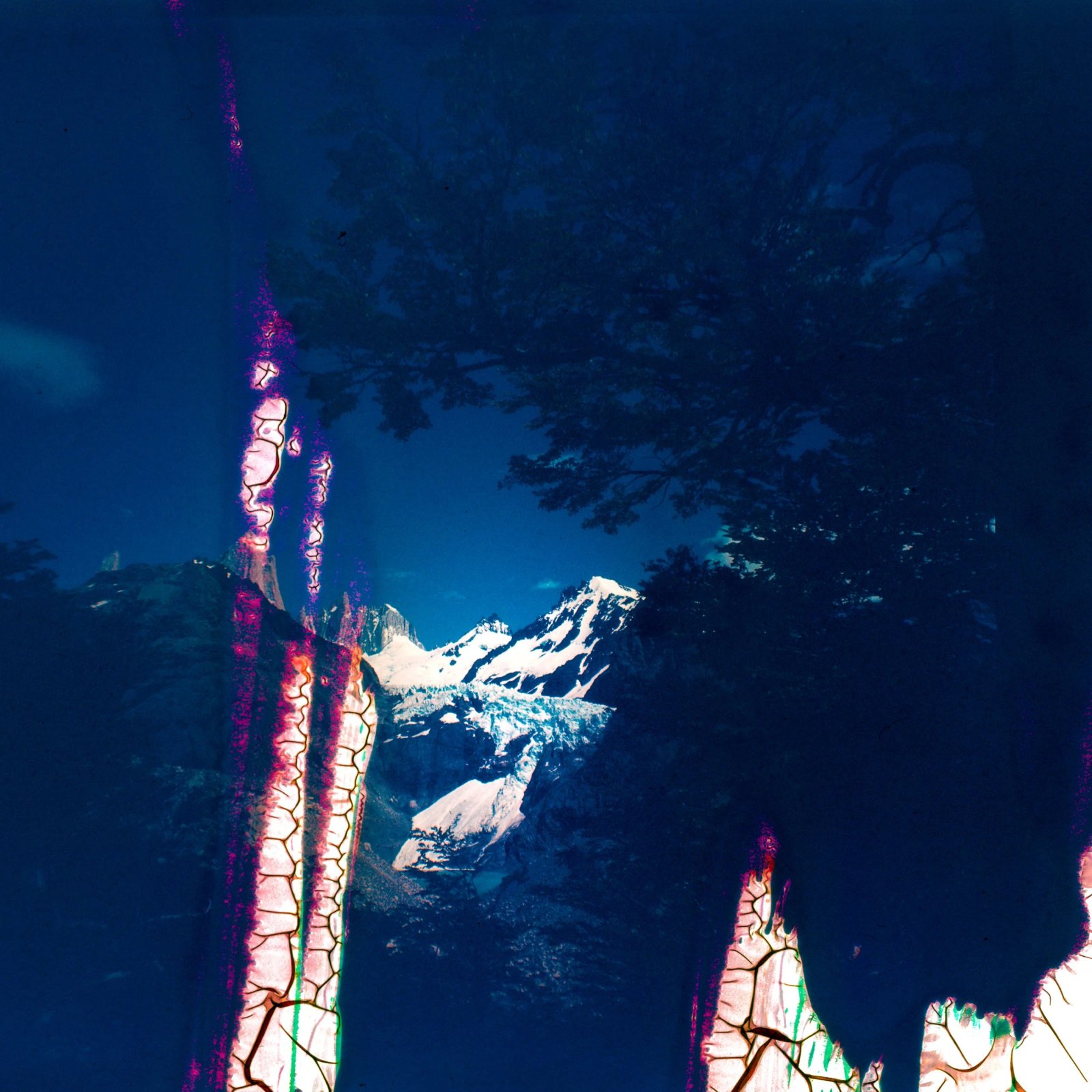
This ethos is especially present in his recent series Patagonia Rota, which examines the fragile co-existence between the vanishing Patagonian landscape and the decaying nature of analog film. "These images contain something elegiac, a dual farewell: to a territory transformed by climate change and to the analog medium fading in our digital era." Captured on expired film, the photographs are ghostly, suspended in a timeless haze, free of human presence and detached from any specific chronology. They could belong to the past, the future, or a dream.
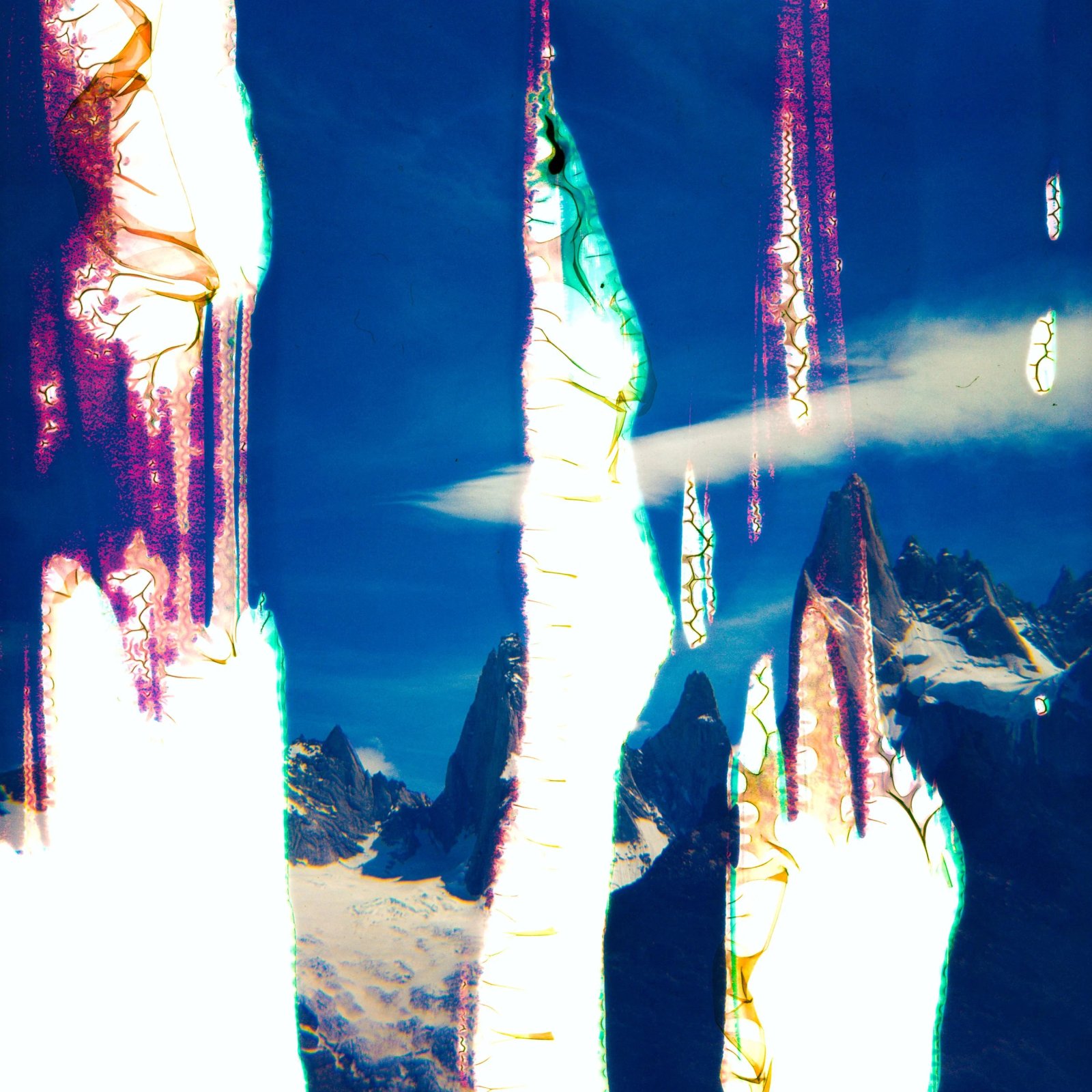
From the series Patagonia Rota, 2021–2024. © Mauro Maiani
Perspective, temporality, and imperfection form the core of Maiani's visual language. Light leaks, double exposures, and chemical blemishes are embraced rather than corrected. "There's beauty in such imperfection, in the vulnerability of materials that resonates with the fragility of the landscapes I capture." His process is one of patience and listening—allowing the landscape to reveal itself rather than imposing a viewpoint upon it.
Maiani describes photography as a way of inhabiting the world, one that begins not with the camera, but with presence and attentiveness. "It's like entering a darkened room and resisting the impulse to switch on the light, choosing instead to wait, allowing your eyes to gradually discover forms initially invisible." This deliberate slowness stands in contrast to the accelerated rhythm of modern life and marks his work with a sense of quiet rebellion.
Maiani's relationship with photography began unexpectedly during a stay in Barcelona, where he came across an old analog camera. What started as a casual encounter became a turning point—a rediscovery of a medium that resisted perfection and welcomed the unforeseen. "It felt like reconnecting with a forgotten language, a form of expression unburdened by committees or focus groups, that needn't please anyone but itself," he reflects. That chance meeting with the camera set him on a path far removed from commercial precision and toward the ambiguous terrain where landscapes become metaphors and silence becomes narrative.
His practice centers around two driving forces: the monumental and the ephemeral. Vast glaciers, remote mountains, and desolate terrains dominate Maiani's imagery, but his attention is drawn equally to their quiet transformations—the erosion of ice, the shift of light, the slow but inevitable change. "Ultimately, everything is fragile—even mountains, even stars," he notes, a sentiment that anchors his ongoing photographic explorations.
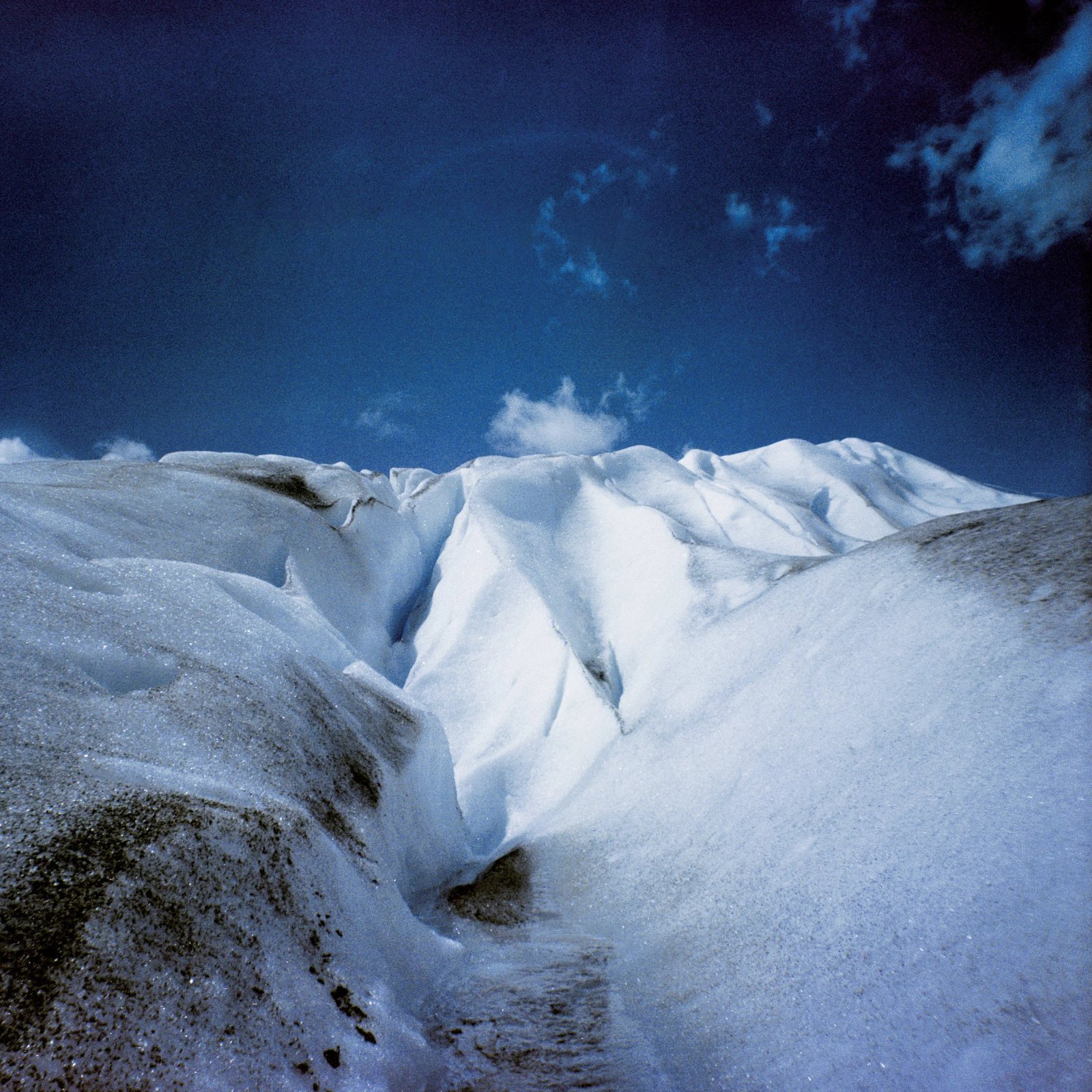
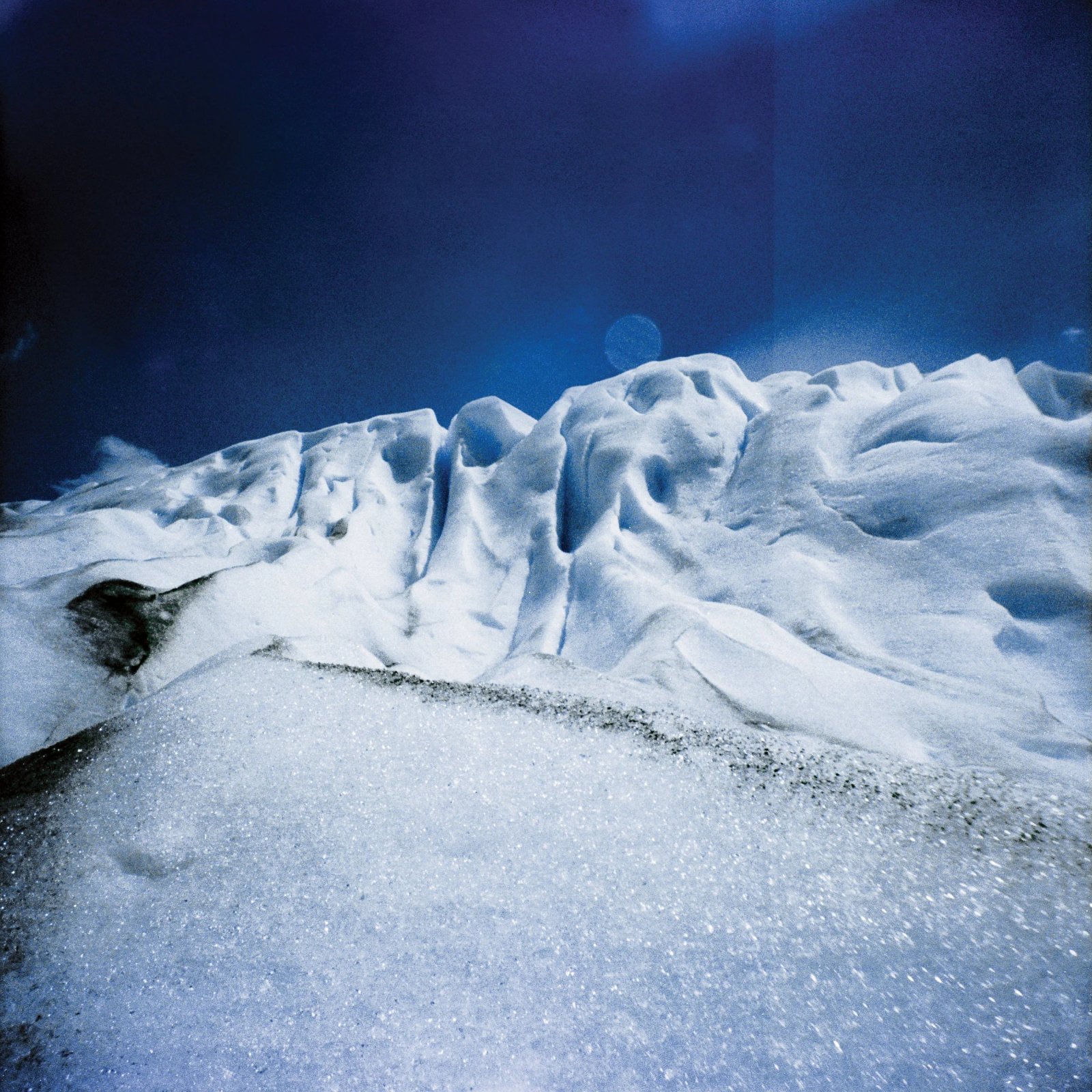
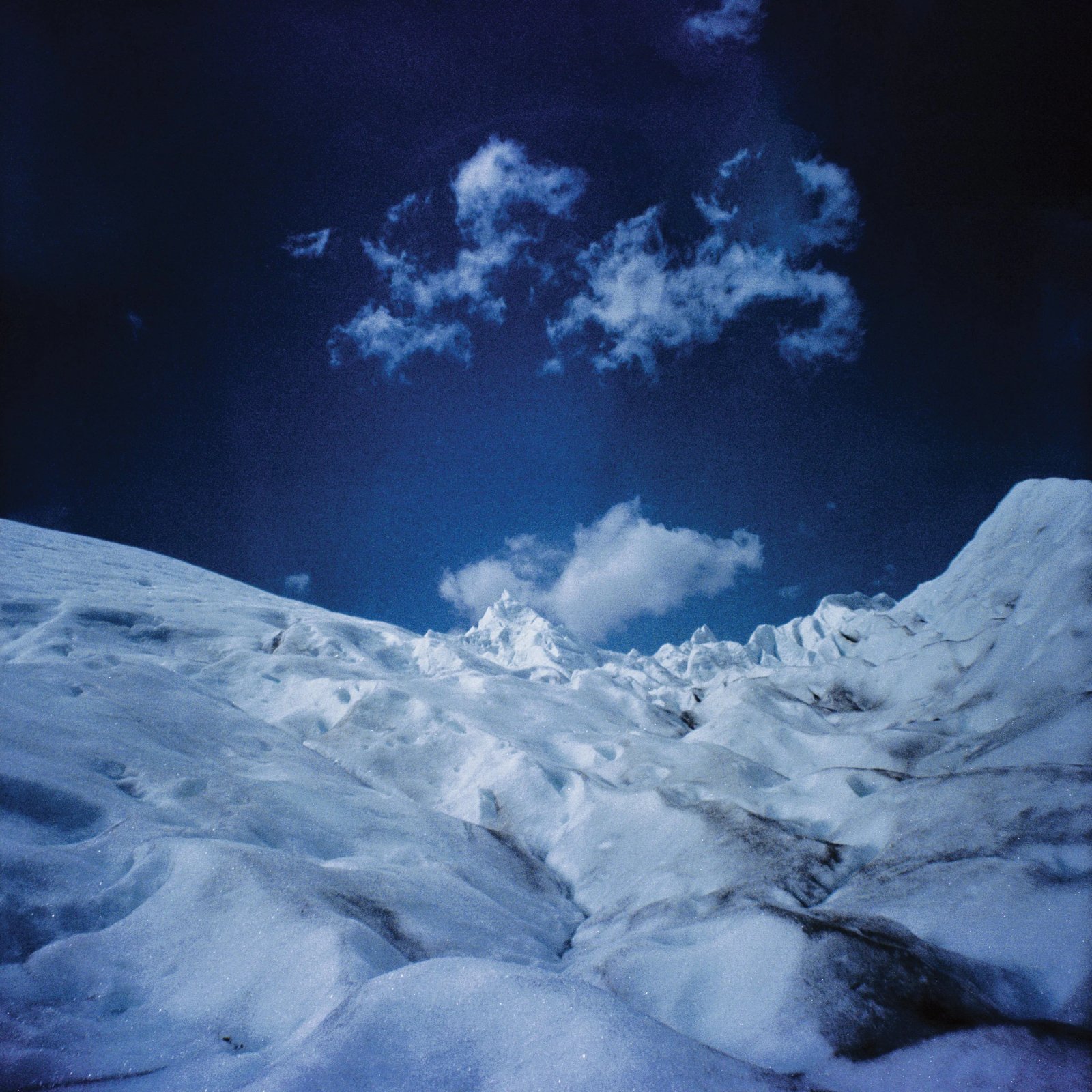
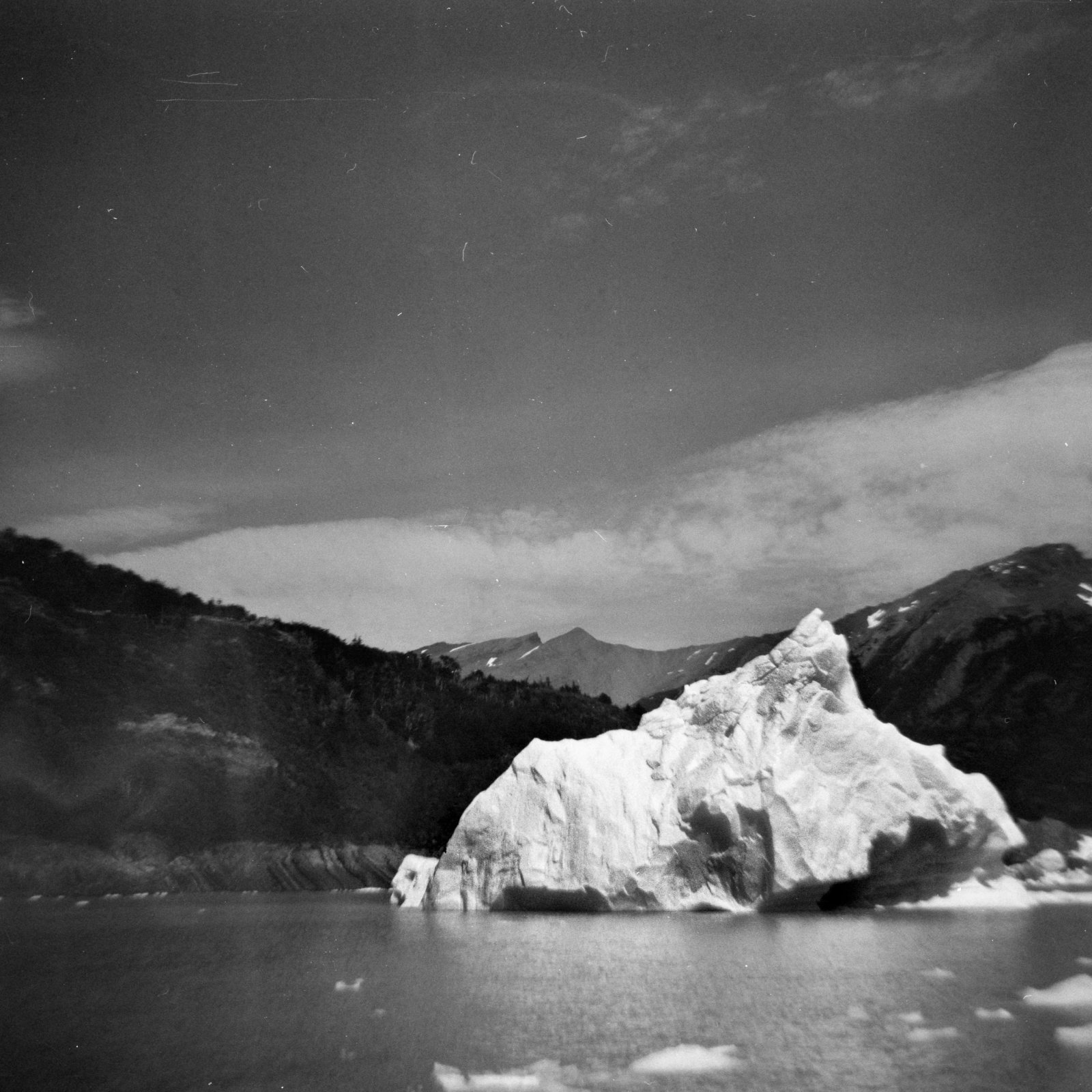
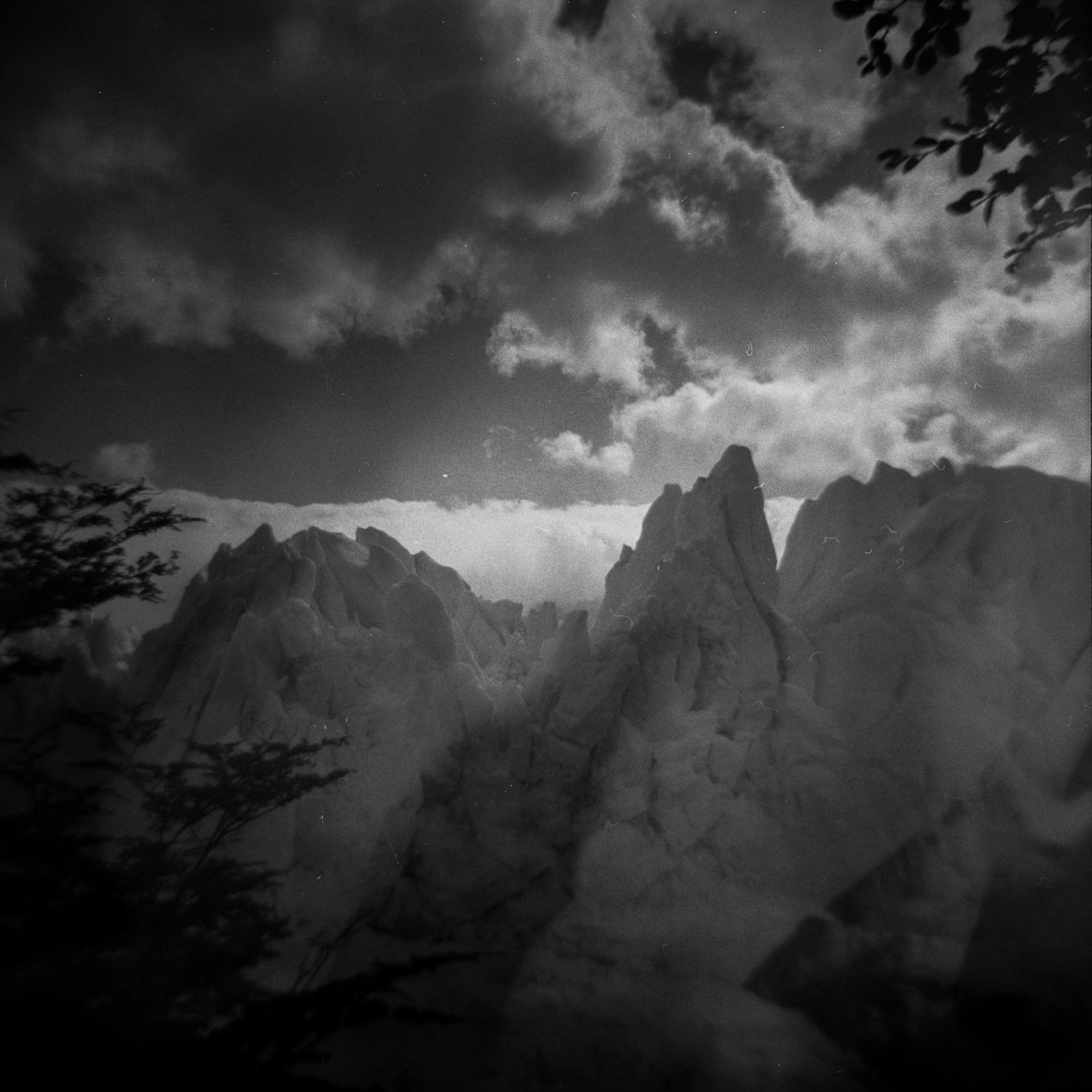
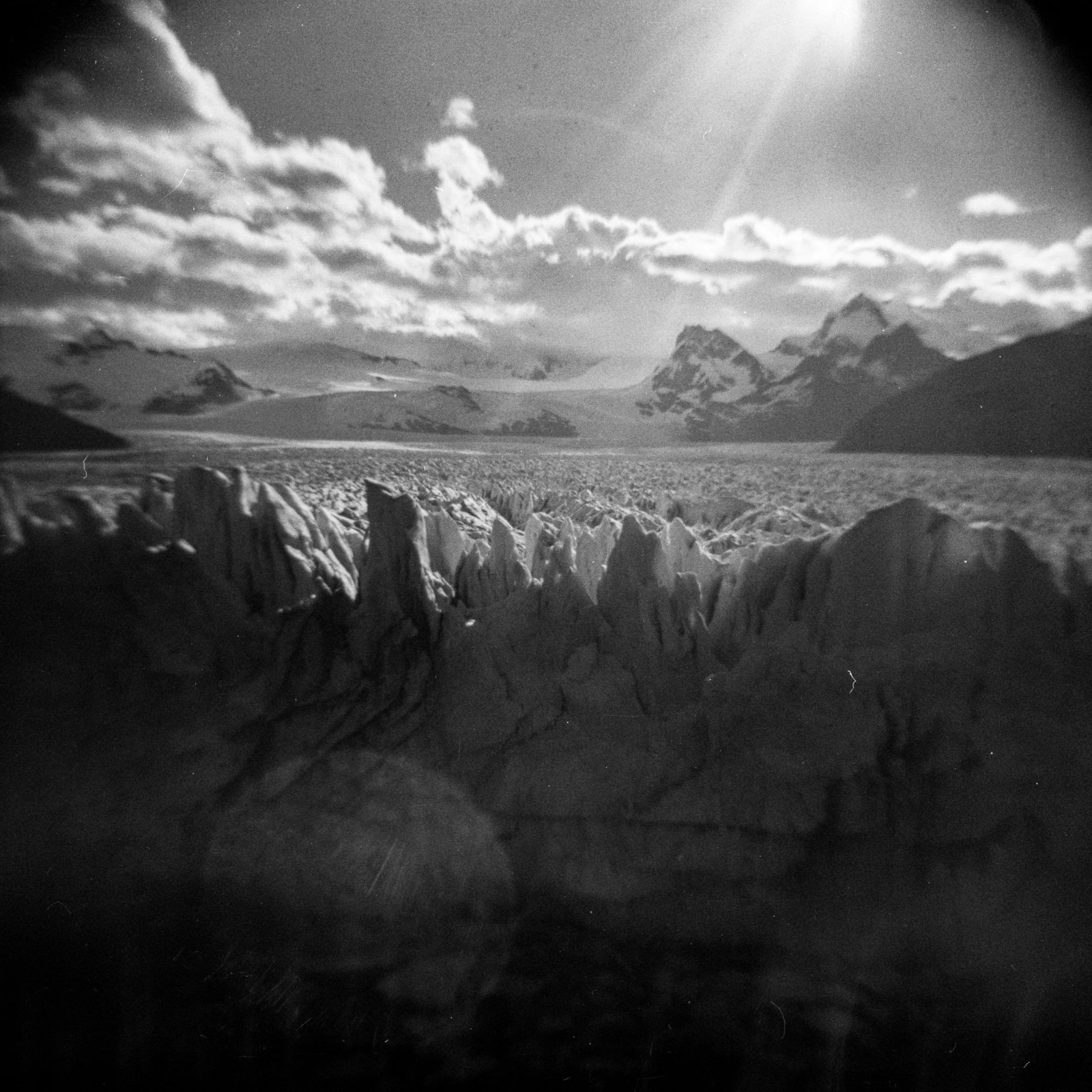
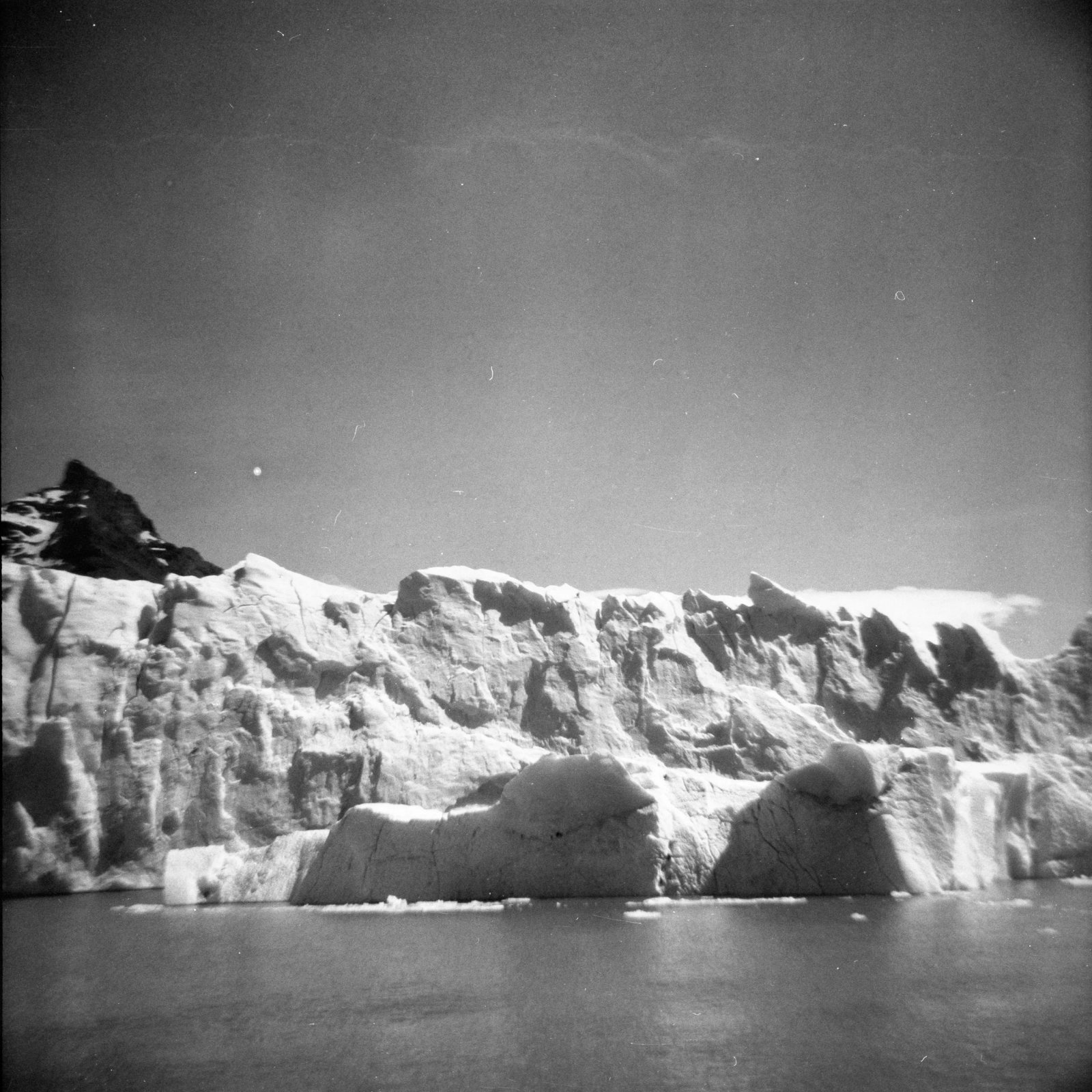
From the series Glaciar, 2021–2024. © Mauro Maiani
Looking ahead, Maiani is drawn to places on the cusp of transformation—landscapes losing their essence or still forming one. He is interested in thresholds, those liminal spaces where change is constant and identity remains in flux. "I'm intrigued by that precise moment when a place is ceasing to be what it was but hasn't yet become what it will be… where everything seems possible precisely because nothing is defined."
Maiani's photography does not claim to hold truth, but rather invites contemplation. His images linger not because they show something definitive, but because they evoke something deeply felt—an atmosphere, a state of mind, a question. In his words, "The most powerful photographs aren't those providing answers but those posing questions—images that dwell within you for days, unveiling themselves gradually."